
Beyond the Score
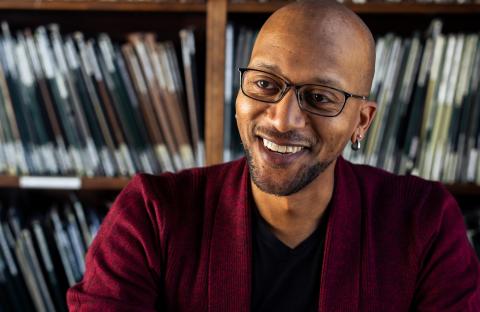
Image by Michelle Parkos
I love the sounds of Western classical music—the instruments, the colors and timbres, the range of scale.
Beyond its aesthetic qualities, though, there’s something about the mechanisms underlying classical music that have always resonated with me. Its systems of organizing melody, harmony, and rhythm opened up worlds of understanding and expression for me that reached far beyond the music itself.
In 2026, it’s harder than ever to define music solely by its sound. Instruments and techniques once associated exclusively with jazz, folk, or popular music show up all over the classical music world, from the concert hall to chamber music, from opera to art song. A symphony can swing. A chamber piece can groove or have amplified instruments or live audio production. Improvisation can be found everywhere.
In my mind, classical music is more about the processes involved in bringing the music to life than it is about a particular musical result. I love carefully constructing and preparing a score. I love the feeling I get when a piece of music becomes part of me after practicing it phrase by phrase for so long. I love the progression from rehearsal to performance in choral music, opera, and musicals.
As a singer-songwriter and recording artist in folk, soul, pop, and electronic dance music (EDM), I still understand my creative practice through these processes. My instinct to notate, practice, and rehearse to exhausting detail before performing, including when the performance happens in the recording studio, reinforces the values of that pathway of inquiry for me, and remains grounded in the classical tradition. Sure, I deviate from that approach when it feels right or when the moment demands it, but it’s almost always my inclination to start there.
In high school, I knew I wanted to pursue music at the college level, and at the time, my choices were rigid: classical, musical theater, or jazz. Popular music wasn’t presented as a “serious” option. I changed majors twice in college, trying to assemble an undergrad experience that made sense to me. Years later, when I heard about the merger of the Boston Conservatory and Berklee College of Music, I remember thinking that this was the perfect place for me, wishing it had existed when I was a student looking for a place to study music after high school.
At Boston Conservatory at Berklee, students have access to both world-class classical conservatory training and the leading institution for the study of contemporary music, under one roof. This unlocks a level of creativity and expression that students otherwise may not explore or even consider until much later in life. Students are best served when that kind of exploration and experimentation is not only allowed but also encouraged and supported before they graduate, and when we invite them to challenge tradition and push boundaries if that feels right to them. This is the core task for us in Boston Conservatory’s Music Division: to remind the world of the limitless potential of classical music—to continually ask what we can learn from it and where it could take us.
Every day, I’m energized to work within a community of people who are motivated by these very questions, and I can’t think of a place I’d rather do it than here—a place committed to the power and rigor of classical music training, with the understanding that the music you study doesn’t have to be the only music you make.