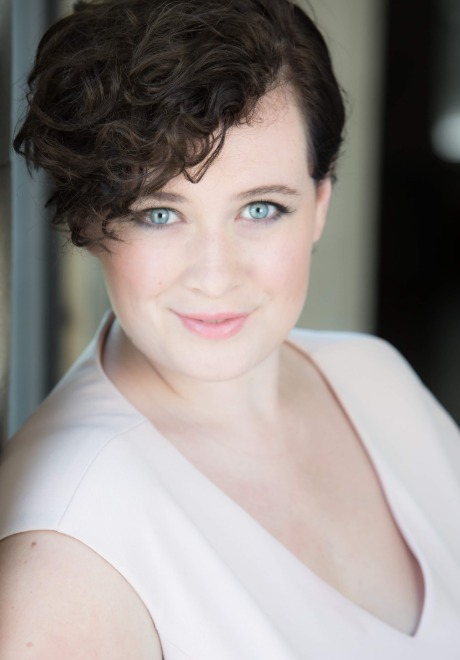
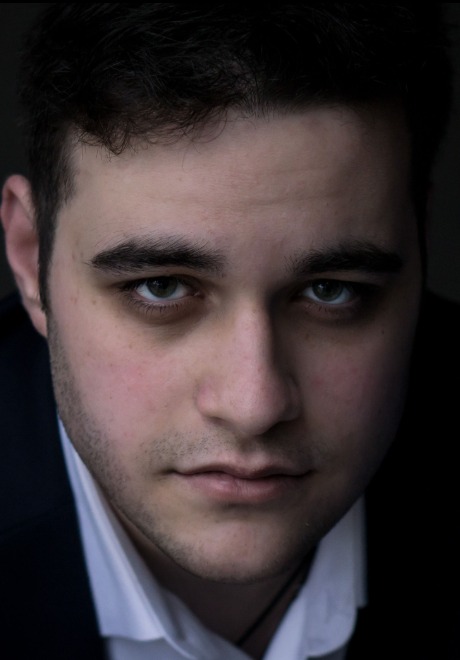
Meet the Performers
Click on a performer's name or watch button to view their solo performance, and click on the aria name or scroll down to learn more about each piece. Links to personal websites provided as available.
Learn About the Works
Click on the dropdowns below to learn more about each piece performed in this year’s Aria Sampler.
“Di tanti palpiti” from Tancredi by Gioachino Rossini (Sung in Italian)
The exiled Syracusan soldier Tancredi, who has been stripped of this estate and inheritance, pledges to seek out his beloved Amenaide and defend his city from the Saracen invaders. He reflects on his love for Amenaide and the torment he has caused her, but is confident he will see her again.
“Ach, ich fühle” from Die Zauberflöte by Wolfgang Amadeus Mozart (Sung in German)
Pamina, the daughter of the Queen of the Night, is undergoing several trials to prepare her for enlightenment and a leadership role in the new world order. Tamino, her beloved, is also enduring these tests, specifically a test of silence. Pamina is distraught that Tamino seems to shun her and gives in to despair.
“Hai gia vinta la causa” from Le Nozze di Figaro by Wolfgang Amadeus Mozart (Sung in Italian)
Count Almaviva, who is hoping to arrange a tryst with his wife’s chambermaid Susanna, has just overheard her talking with her fiancé, Figaro, who is the Count’s valet, about how they will outwit the Count. He is enraged that these servants dare to challenge his authority, and he vows to make them pay for their audacity.
“My Darling Jim” from Glory Denied by Tom Cipullo (Sung in Italian)
Alyce, the young wife of an officer stationed in Vietnam, writes to her husband with news from home and greetings from their infant daughters. The opera is based on the true story of the longest-serving prisoner of war in American history and the devastating impact on him and his family.
“Rusalka’s Song to the Moon” from Rusalka by Antonin Dvořák (Sung in Czech)
The water sprite Rusalka has fallen in love with a handsome, human prince. She appeals to the moon to tell him of her love and to find a way that they can be together.
“Minskwoman’s aria” from Flight by Jonathan Dove (Sung in English)
A pregnant woman is stranded in an airport overnight as she makes her way to Minsk, where her husband is beginning a new diplomatic assignment. Nervous about moving to Minsk and terrified of the way things will change with motherhood, she considers what has become of her once glamorous life.
“Outside this House” from Vanessa by Samuel Barber (Sung in English)
Barber wrote this taut psychological drama, with a libretto by Gian Carlo Menotti, for the Metropolitan Opera in the late 1950s. When Vanessa was deserted by her lover Anatol many years ago, she closed herself away in her mansion to await his return. Now she sees that Anatol has come back—though it is actually the son of her former lover—and that he is more interested in pursuing Vanessa’s niece Erica.
“Dearest Mama” from The Ballad of Baby Doe by Douglas Moore (Sung in English)
This opera is based on the true story of Elizabeth “Baby Doe” Tabor, whose relationship with Horace Tabor, the wealthy owner of a silver mine, caused a great scandal in gold-rush era Colorado. Elizabeth writes her mother about the complicated turn of events in her life. After her first husband left her, she has found true love with Horace, but since he is a married man, they cannot be together.
“Batti, batti o bel Masetto” from Don Giovanni by Wolfgang Amadeus Mozart (Sung in Italian)
Don Giovanni tried to seduce the beautiful peasant Zerlina on her wedding day. Masetto, her fiancé, is furious, but she assures him that nothing happened. She urges him to beat her if it will make him feel better, but that he must forgive her so they can get on with their lives.
“Lensky’s aria” from Eugene Onegin by Pyotr Ilyich Tchaikovsky (Sung in English)
It is a cold, wintry dawn and Vladamir Lenski, a young poet, is waiting in a forest clearing to fight a duel with his former friend Eugene Onegin. The duel was initiated by Lenski when, earlier, Onegin dared to make advances on Lenski’s fiancée, Olga. As Lenski waits, he contemplates his young life and wonders whether Olga will mourn him, should he die.
“O Pallida” from L’amico Fritz by Pietro Mascagni (Sung in Italian)
Fritz, a wealthy bachelor, is upset when he realizes that he is in love with a woman who is engaged to someone else. To cheer him up, Beppe, a gypsy boy, sings a song he wrote about his own exploits with love and heartbreak.
“Par le rang…Salut à la France” from La fille du Régiment by Gaetano Donizetti (Sung in French)
Marie, an orphan raised by a regiment of French soldiers, has been reunited with her aunt, a wealthy Marquise, who has taken Marie to live in her villa. Feeling out of place in her aunt’s world, and missing her regimental “fathers,” as well as Tonio, the young man she’s fallen in love with, Marie ponders what good wealth is without love. Suddenly, she hears a commotion outside and realizes that her regiment has come to save her!
“Les berceaux” by Gabrielle Fauré (Sung in French)
In this scene, the men depart in their vessels to the sea, while the women are left behind to rock the cradles of children who may never know their fathers. The heartbreak of the women is laced with anger at the sea, the mistress that their sailor husbands cannot resist.
“Quando m’en vo’” from La Bohème by Giacomo Puccini (Sung in Italian)
The beautiful actress Musetta has arrived at Cafe Momus with her elderly benefactor in tow. Her ex-lover Marcello is also there, and she brazenly uses this beautiful waltz to win him back.
“Olga’s aria” from Eugene Onegin by Pyotr Ilyich Tchaikovsky (Sung in Russian)
Olga, the vivacious younger daughter of Madame Larina, teases her shy sister Tatiana about hiding behind the romantic novels she reads. Olga suggests that Tatiana should follow her example—dance, flirt, and don’t take life too seriously.
“Als flotter Geist” from Die Zigeunerbaron by Johann Strauss, Jr. (Sung in German)
The Gypsy Baron, Strauss’ second most popular operetta, tells the story of the charismatic and confident young Hungarian Sandor Barinkay, who returns home after spending his youth in exile. He tells the crowd of his many exploits in the circus as an animal trainer and later as a magician and acrobat. He assures everyone that all of these things have come easily to him.
“Things change, Jo” from Little Women by Mark Adamo (Sung in English)
Meg, the eldest of four daughters, is leaving the bosom of her close-knit family to marry. Her sister Jo can’t understand how Meg could do this, and Meg explains. The opera is based on Louisa May Alcott’s classic novel.
“Che faro senza Euridice” from Orfeo ed Euridice by Christoph Willibald Gluck (Sung in Italian)
Orfeo has been granted the ability to travel to the underworld to retrieve his recently deceased wife, Euridice—the one condition being that he cannot look at her on their path back. After many pleas and entreaties, Orfeo weakens and turns back to assure Euridice of his love. She immediately falls dead, and a crushed Orfeo laments what he has done and questions how he can continue without her.